Museum of Minds  ·  In Conversation With
FDR–1882–2026
NBC CBS ★★★ ★★★ ★★★ Fireside Chat March 12, 1933 THE OVAL OFFICE — FIRESIDE BROADCAST Washington, D.C. · 1933–1944 Pl. IV Museum of Minds N Broadcast array NBC · CBS · Mutual
Museum of Minds  ·  Gallery IV

Franklin
D. Roosevelt

1882  —  1945
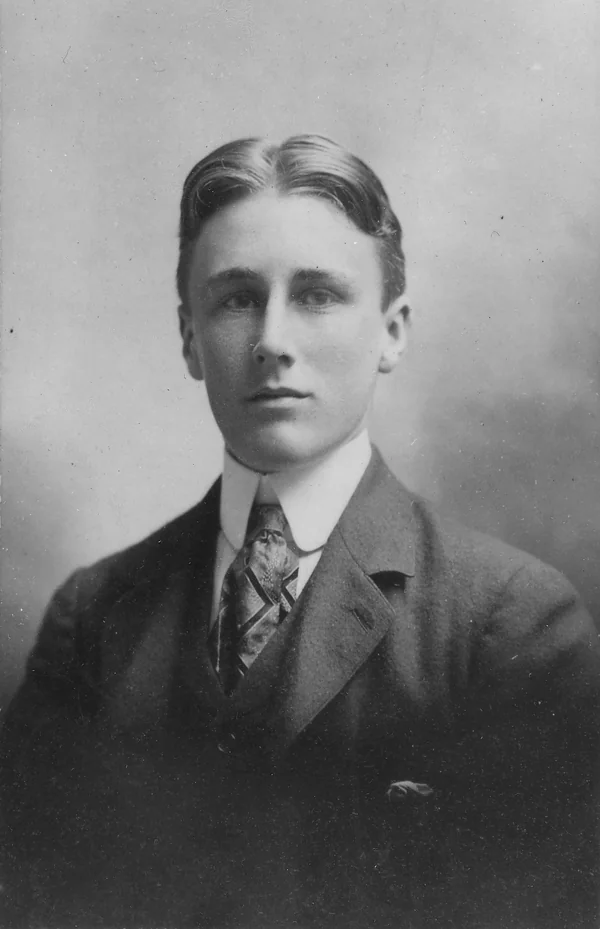
Franklin D. Roosevelt formal portrait

"The patrician who saved capitalism by making its victims believe in it again."

The 32nd President of the United States served four terms through the twin catastrophes of the Great Depression and World War II. He built the modern American regulatory and welfare state, shattered isolationism to lead a global coalition against fascism, and perfected the art of democratic leadership over radio — speaking directly into the homes and fears of ordinary Americans. He governed in a wheelchair he rarely let be photographed, and died at Warm Springs with victory in sight but the postwar order still unwritten.

Enter the Conversation  ✦  32nd President  ✦  1933–1945

Speak With Roosevelt

He delivered 30 fireside chats to a nation in crisis. He remade the relationship between government and citizen. He won the war and built the institutions — Social Security, the SEC, the FDIC, the UN — that shaped the world you live in now. And he made choices that haunt the American conscience still.

Ask Roosevelt about the wielding — and the limits — of executive power. About what it means to save a system by transforming it. About the refugees turned away at the harbor, the Japanese Americans interned, the compromises made with Southern Democrats to pass programs that excluded millions. About whether the New Deal's architecture can hold against the inequality of 2026.

He was a man of magnificent contradictions: a Hudson Valley aristocrat who spoke for the forgotten man; a polio survivor who built a public persona of irrepressible vigor; a pragmatist who kept his philosophy deliberately vague — and a statesman whose improvisations became the foundations of an era.

Executive Power New Deal Great Depression World War II Welfare State Civil Liberties Foreign Policy Fireside Chats
We have always known that heedless self-interest was bad morals; we know now that it is bad economics. Out of the collapse of a prosperity whose builders boasted their practicality has come the call for the return of old-time honesty and old-time morality.
— Second Inaugural Address  ·  January 20, 1937
Corpus  ·  Primary Sources