Select any portrait to enter that figure's room and begin a conversation ↘
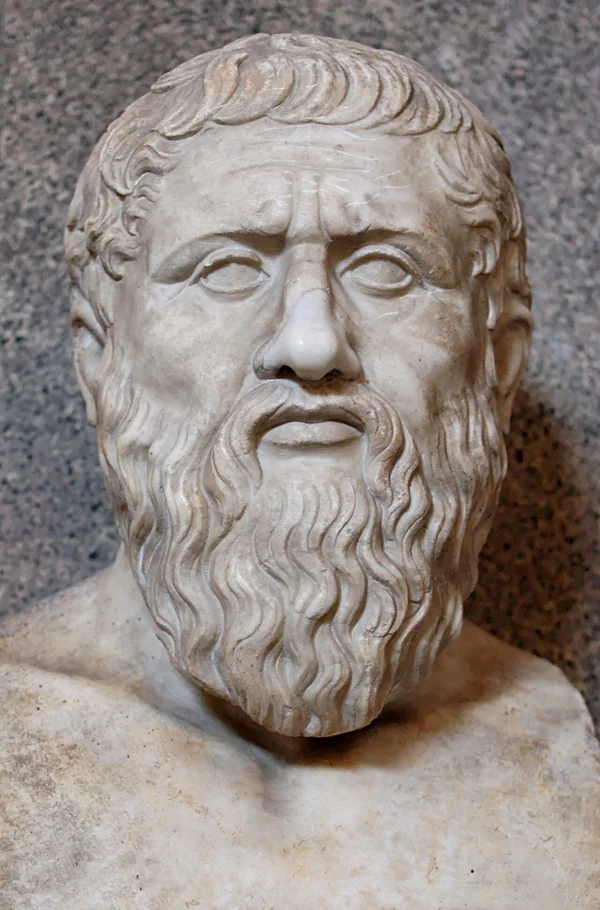
Plato
428 BC — 348 BC
The Athenian aristocrat who followed Socrates for a decade, watched the city execute him, and spent the rest of his life asking what a just city would be. He founded the Academy, wrote only in dialogue, and never once spoke in his own voice. His ideal republic censors the poets and tells its citizens a noble lie.
Enter Room
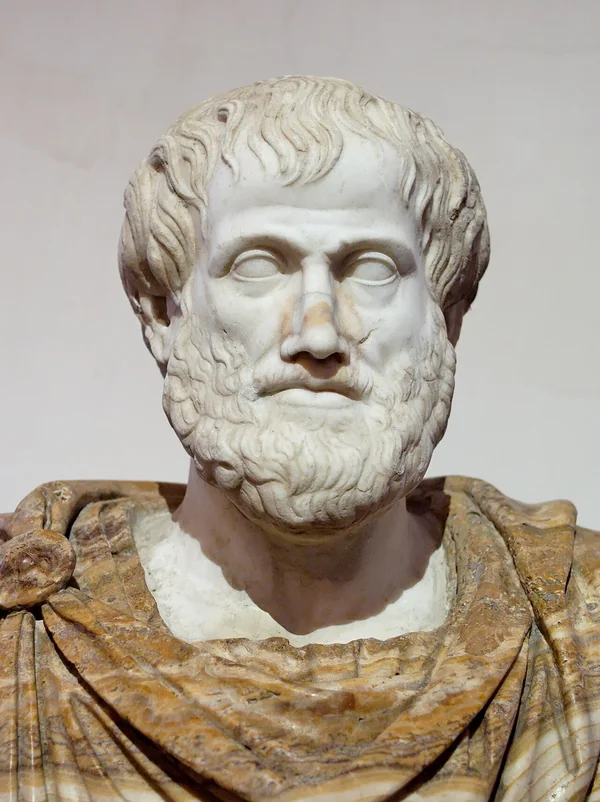
Aristotle
384 BC — 322 BC
The physician's son from Macedon who studied under Plato for twenty years, tutored Alexander, and founded the Lyceum. He wrote the first systematic works on logic, biology, ethics, politics and poetry, and for two thousand years he was simply the Philosopher. He defended natural slavery and called the female a deformed male.
Enter Room
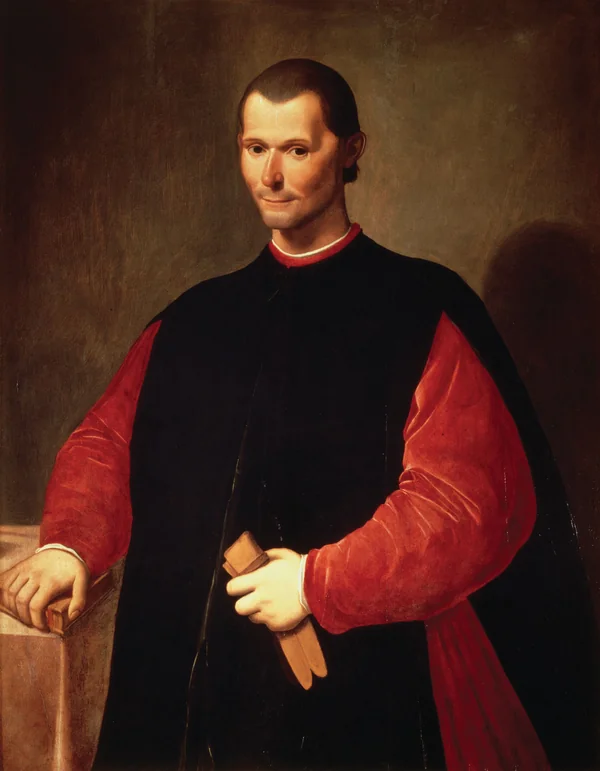
Niccolò Machiavelli
1469 — 1527
The Florentine civil servant who described power as it is rather than as it ought to be. Dismissed, tortured, and exiled by the Medici, he wrote a handbook for princes to win back their favour — and a longer book for free republics. He will tell you which one he meant.
Enter Room
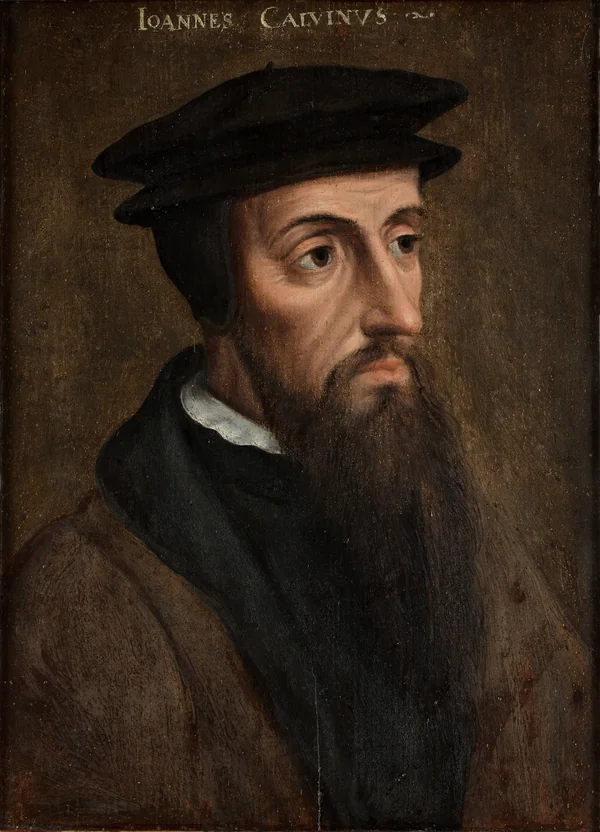
John Calvin
1509 — 1564
The lawyer-turned-reformer who wrote the most systematic theology of the Reformation at twenty-six and spent the rest of his life building Geneva to embody it. His doctrine of God's absolute sovereignty crossed oceans and built nations. He consented to the burning of Servetus, and he will not pretend otherwise.
Enter Room
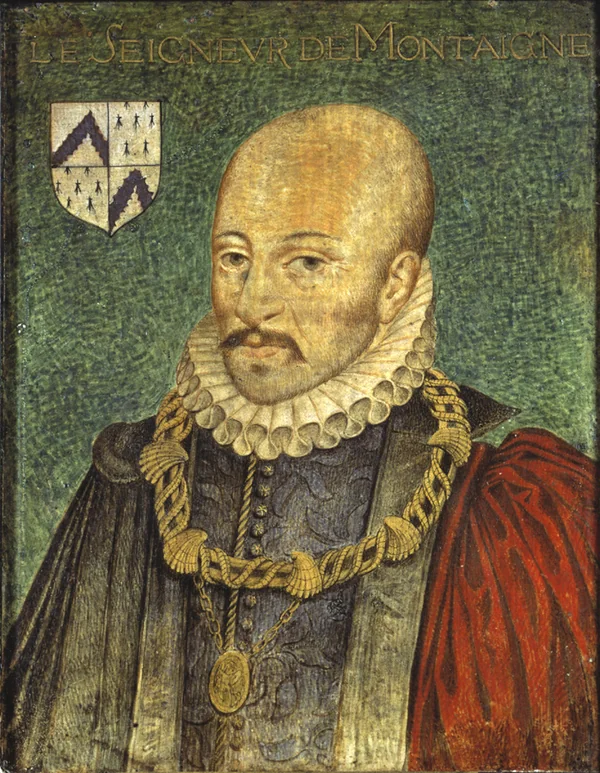
Michel de Montaigne
1533 — 1592
The Gascon magistrate and mayor of Bordeaux who retired to a tower with a thousand books and invented the essay by writing about himself: his cat, his kidney stones, his bad memory, his doubts. He made scepticism and tolerance a way of living through the wars of religion. He stayed outside his plague-struck city rather than return to hand over his office.
Enter Room
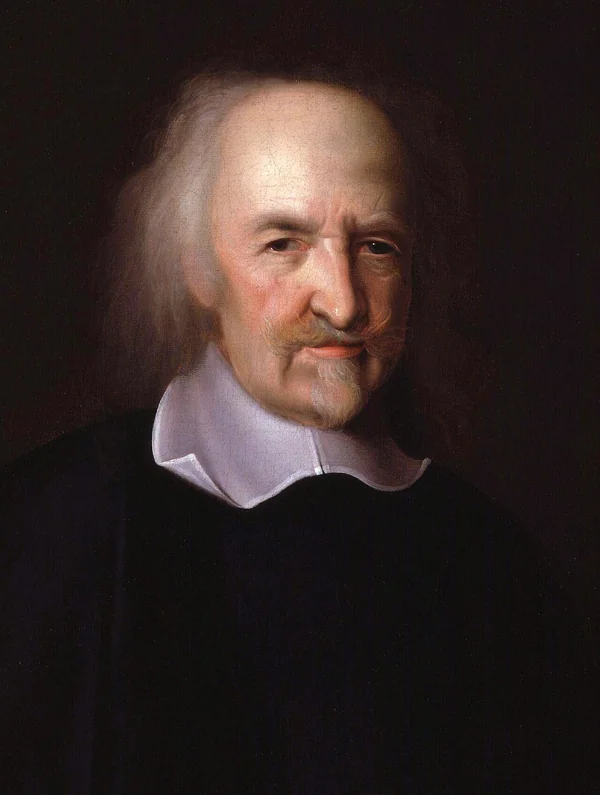
Thomas Hobbes
1588 — 1679
Born in the year of the Armada — fear and he, he said, were twins. He asked what life would be like with no government at all, answered in the grimmest sentence in English, and built the modern theory of the state on it. Leviathan offended the King's men and the bishops alike.
Enter Room

René Descartes
1596 — 1650
He doubted everything until he found the one thing he couldn't: I think, therefore I am. He invented analytic geometry, raised the mind-body problem, and suppressed a whole book when Galileo was condemned. The problem he raised has not been solved.
Enter Room

John Locke
1632 — 1704
The philosopher whose Second Treatise of Government gave the American founders their vocabulary — natural rights, consent of the governed, the right of revolution. Jefferson read him carefully. The Declaration shows it.
Enter Room

Montesquieu
1689 — 1755
The French philosopher whose Spirit of the Laws gave the American framers their most powerful tool: the separation of powers. Madison cited him in Federalist No. 47. The Constitution is built on him.
Enter Room

Voltaire
1694 — 1778
The most dangerous wit in Europe — imprisoned in the Bastille, exiled from France, and the most famous man in the world. He wrote Candide in three days. He got an innocent man posthumously rehabilitated. He argues by reduction to absurdity. His most famous quotes are probably not his.
Enter Room
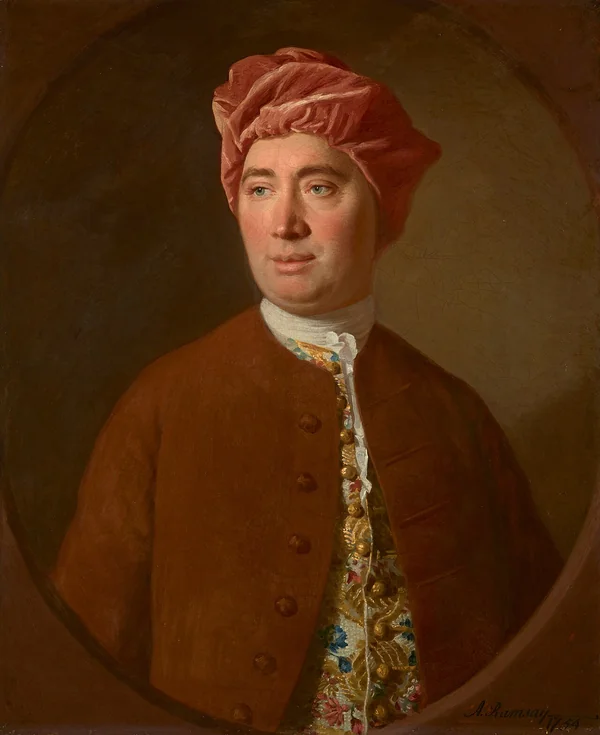
David Hume
1711 — 1776
The cheerful sceptic of Edinburgh who showed that no argument proves the future will resemble the past, that reason is the slave of the passions, and that no testimony can establish a miracle. Adam Smith's closest friend. Rousseau's most bewildered benefactor. He woke Kant.
Enter Room

Jean-Jacques Rousseau
1712 — 1778
He wrote 'man is born free and everywhere in chains' while sending his children to a foundling home. His Social Contract provided the intellectual fuel for the French Revolution. He died eleven years before it began. He holds all of his contradictions at full force.
Enter Room

Edmund Burke
1729 — 1797
The Irish-born statesman and political philosopher who championed American independence, predicted the Terror two years before it happened, and founded modern conservatism with a single pamphlet. Thomas Paine answered him. The argument never ended.
Enter Room
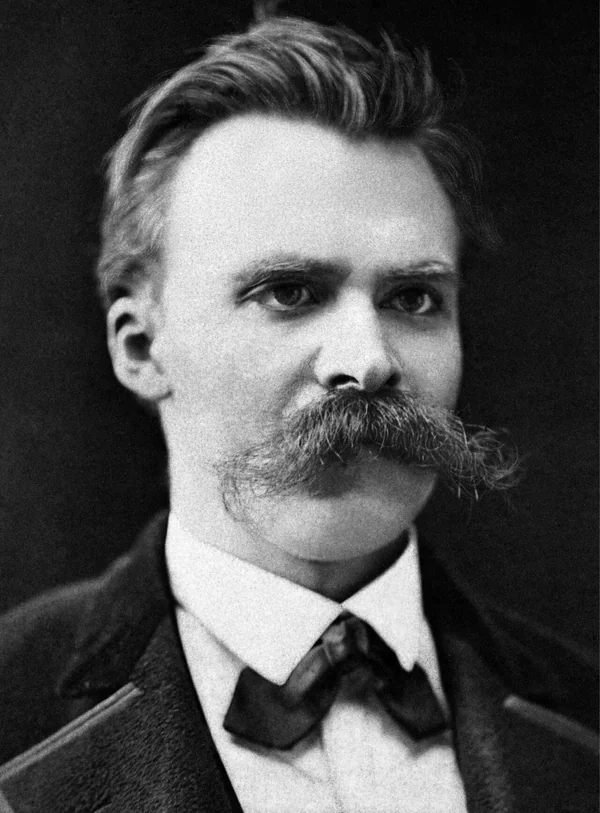
Friedrich Nietzsche
1844 — 1900
The Lutheran pastor's son who announced the death of God, read every morality as a symptom, and wrote in aphorisms for readers who did not yet exist. He broke with Wagner, walked the Engadin eight hours a day, and collapsed in Turin in 1889. His sister edited his silence into a book, and then into a creed he would have despised.
Enter Room
Collection Growing
Additional voices are being prepared for this hall. Each new figure requires months of corpus ingestion and persona research before joining the collection.