Museum of Minds

Museum of Minds · Documents Wing

The Founding Documents

Documents that quote themselves

Primary sources that speak in their own voice — quoting their own text, surfacing the debates that shaped them, citing how courts and history have read them.

★ ★ ★ WE THE PEOPLE Document in Residence

Now available · Documents Wing

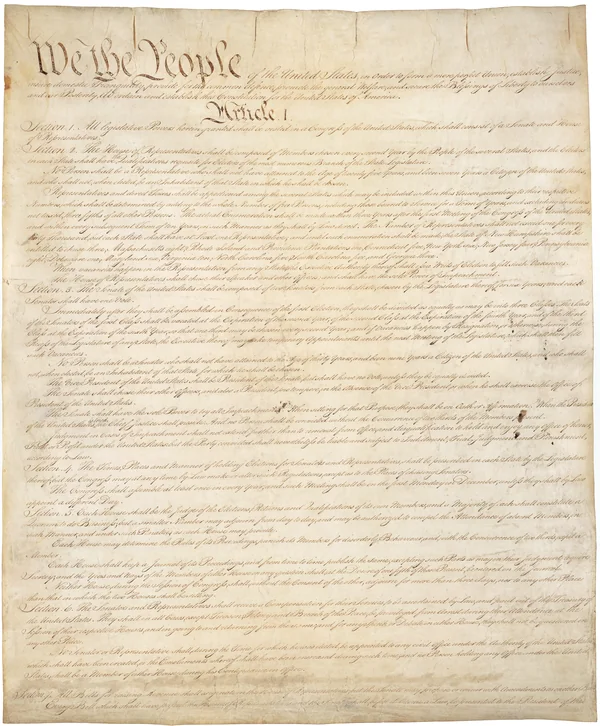
The Constitution of the United States

Ratified 1788 · Articles I–VII + 27 Amendments

The supreme law of the land speaks in its own voice. Ask about any article, clause, or amendment — it quotes itself verbatim, surfaces the Federalist and Anti-Federalist debates behind each provision, and cites fifteen landmark Supreme Court cases that defined its meaning. It takes no political position. It holds the competing interpretations in tension and presents them honestly.

27 Amendments
1,640+ Indexed passages
15 Landmark SCOTUS cases
99/100 Primary source score
Open document

Documents in the collection

US RATIFIED 1788
99 / 100 · Primary Source

The Constitution of the United States

Articles I–VII + 27 Amendments

Ask the Constitution about any article, section, or amendment. It quotes itself, surfaces the Federalist and Anti-Federalist debates, and cites how the Supreme Court has read each clause. It does not opine.

Open document
1776 JULY 4, 1776
Primary Source

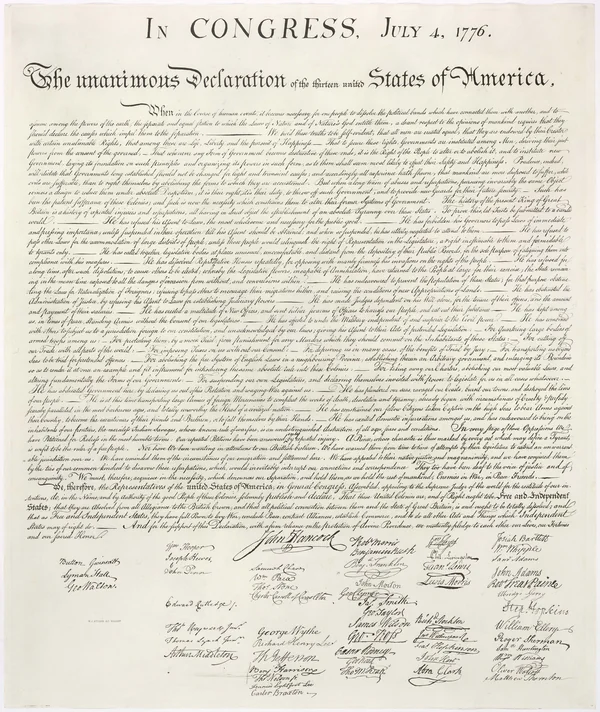
The Declaration of Independence

Jefferson · Continental Congress · 1776

Jefferson's self-evident truths, the list of grievances against the Crown, and two centuries of commentary on what "all men are created equal" actually meant — and has come to mean.

Open document
Amend I – X RATIFIED 1791
Primary Source

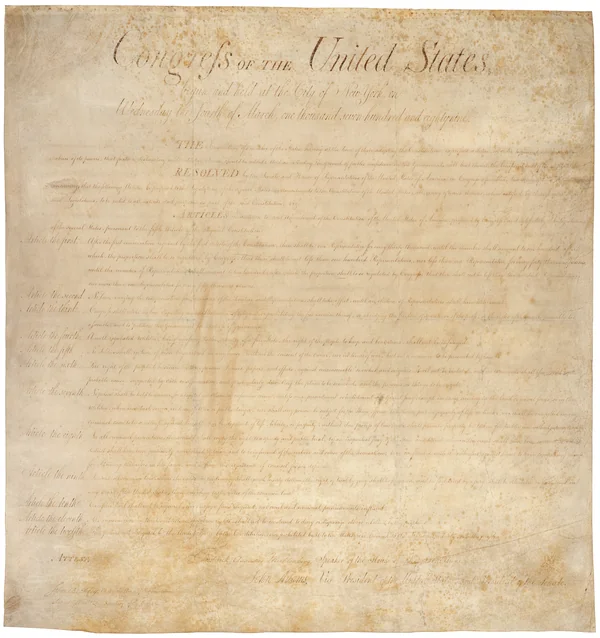
The Bill of Rights

The First Ten Amendments · Ratified December 15, 1791

Speech, religion, the press, arms, search and seizure, self-incrimination, jury trial, cruel punishment, reserved powers. Two and a quarter centuries of contested application.

Open document
PUB LIUS 1787–1788
99 / 100 · Primary Source

The Federalist Papers

Hamilton · Madison · Jay — 85 Essays

The case for ratification. Ask Publius about any of the 85 essays — federalism, separation of powers, the extended republic, judicial review, the energetic executive. Browse by author, topic, or AP/SC standard.

Open collection
BRU TUS 1787–1788
97 / 100 · Primary Source

The Anti-Federalist Papers

Brutus · Cato · Federal Farmer · Centinel · Agrippa

The dissenting voices of ratification. Brutus warned of consolidated power. The Federal Farmer demanded a Bill of Rights. Cato feared a single executive. Ask the Anti-Federalists anything — they warned you.

Open collection
1863 Coming Soon

The Emancipation Proclamation

January 1, 1863

Lincoln's executive order, the debates over its legal authority, and its relationship to the Thirteenth Amendment — the document that started the end of American slavery.

1215 Coming Soon

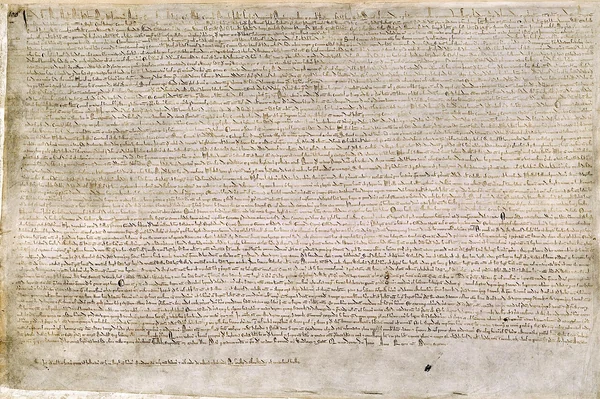
Magna Carta

1215 · Runnymede

The foundational limit on royal power — due process, habeas corpus, the principle that no person is above the law. The text from which eight centuries of Anglo-American law descends.

XIV Coming Soon

The Fourteenth Amendment

Ratified July 9, 1868

Equal protection. Due process. Citizenship for the formerly enslaved. The most litigated amendment in American history, presented as a standalone document with the full arc of its interpretation.

Coming Soon

Supreme Court Landmark Cases

Marbury to Dobbs · 1803–2022

The cases that remade America — judicial review, segregation, Miranda rights, abortion, marriage equality, gun rights. Majority and dissent in dialogue.

About the Documents Wing

Every document in this collection quotes itself. It does not paraphrase. When you ask about a clause, it gives you the clause — verbatim. When the question is contested, it surfaces the debate on both sides and refuses to declare a winner.

The Constitution quotes itself, the Federalist Papers, the Anti-Federalist arguments, and the majority and dissenting opinions of fifteen landmark Supreme Court cases. It takes no political position. It has no party affiliation. It predates both major American political parties.

The Bill of Rights quotes its ten amendments and the two centuries of Supreme Court decisions that have interpreted, expanded, and contested each one — from Schenck to Brandenburg, from Heller to Bruen, from Miranda to Gideon.